Insects in Art and Popular Culture
Beetles, butterflies and bees have shaped visual art and popular culture for centuries, serving as symbols of transformation, fragility or menace. Painters from the Dutch Golden Age often included butterflies to signify the soul, while contemporary sculptors use giant ant forms to explore social structure. In graphic novels, mutated insects dominate dystopian landscapes and drive plots that reach millions, as seen in "The Metamorphosis" adaptations or Japanese anime. Interpretations shift across cultures, with some regions seeing insects as omens and others as signs of renewal.
While insects appear across every major art movement, most works focus on only a handful of species and avoid those considered pests.
Public reaction to insect imagery in art is rarely neutral–depictions of locusts or wasps can trigger strong discomfort or even protest.
Why artists use insects as symbols
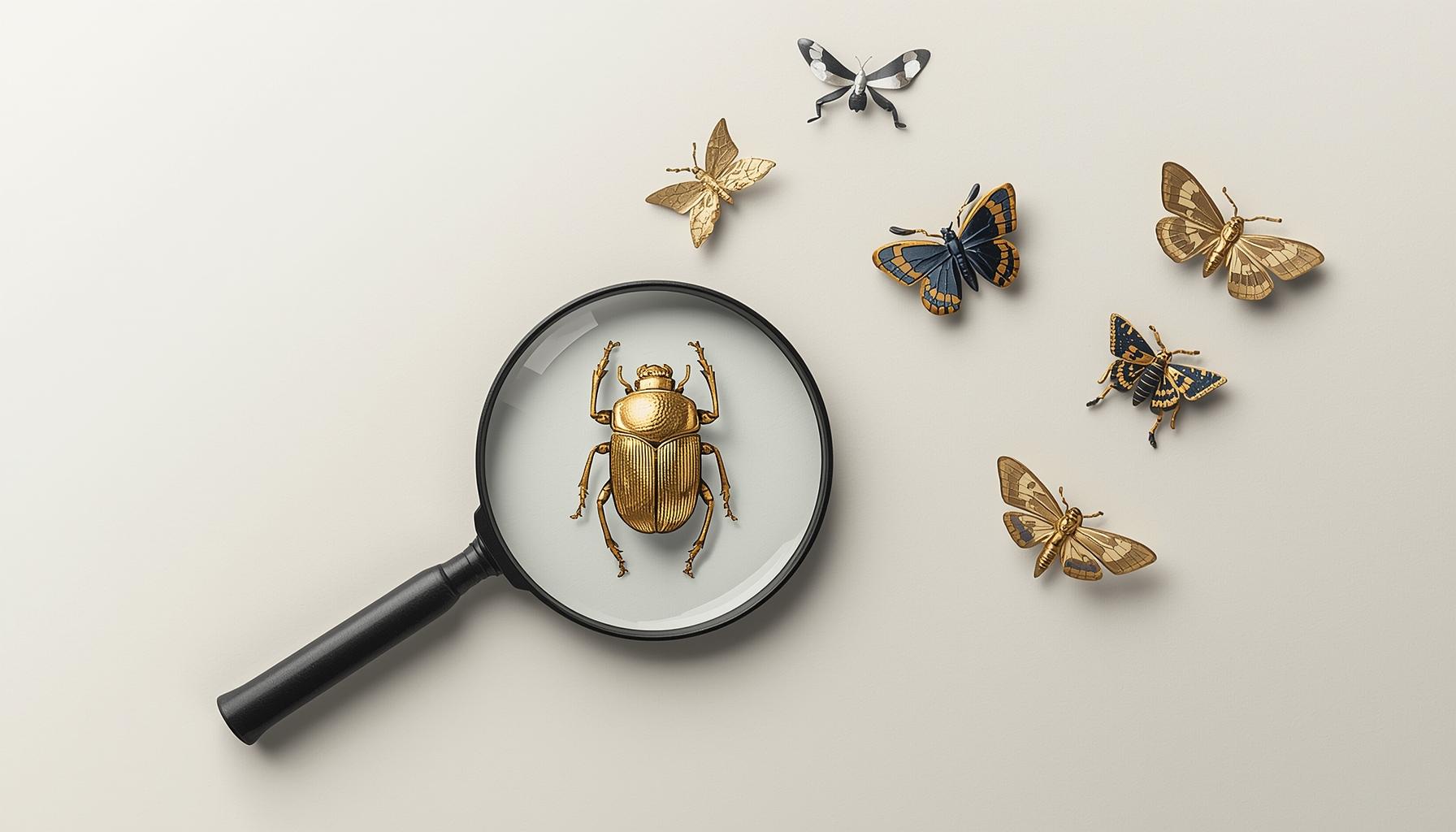
Butterflies, beetles, and ants have featured in paintings, jewelry, and sculpture for centuries as loaded symbols. Their presence can hint at decay, transformation, or resilience. Across regions, a scarab might mean rebirth in one tradition while a cicada signals impermanence elsewhere.
Symbolic meanings in visual art
Butterflies appear in Victorian paintings as emblems of transformation, while scarabs decorate tomb art from ancient Egypt to suggest rebirth. This reliance on insect symbols allows artists to compress complex ideas into a single, recognizable image, but the meanings can shift with time or culture.
- enables vivid portrayal of themes like metamorphosis or decay
- offers universal symbols that often cross cultural boundaries
- adds striking visual contrast through color or form
- encourages viewer interpretation and layered meaning
- risk of misinterpretation when symbols lose relevance
- association with fear or disgust can overshadow intended messages
- overuse leads to cliché or loss of impact
A common error is assuming every viewer shares the same cultural understanding of insect symbolism. When referencing moths or beetles, artists often clarify intent with supporting imagery or historical context.
Cultural differences in insect symbolism
A cicada carved into a Chinese jade amulet signals immortality, while in ancient Greece the same insect references poetic inspiration. Such conflicting meanings arise because insects adapt to local beliefs, climate, and history:
- A Japanese printmaker selects a dragonfly to evoke courage, since local folklore links the insect to victory in battle.
- A European medieval manuscript adds a bee to stand for diligent labor, but in some Indigenous Australian art, bees symbolize ancestral knowledge and spiritual power.
- Mosquitoes appear in West African textiles as forces of resilience, but in Western advertising they almost always signal annoyance or disease.
- Ladybugs in Russian folk tales bring luck and love, yet in parts of Central America, red beetles are associated with omens and warnings.
Choosing an insect with deep positive meaning for one culture often risks confusion or offense in another. Reviewing local traditions before placing symbolic insects into artwork prevents miscommunication and enriches the message.
Artists draw on insects to spark recognition, unsettle viewers, or communicate complex social ideas. Choosing the right insect changes the story, especially when cultural context shifts the meaning.
How insects shape popular media trends
Movie monsters like giant ants and butterflies on luxury textiles both draw from the visual power of insects. Some species become symbols of transformation or menace, while others remain overlooked despite their ecological roles. These choices influence which trends gain ground, reflecting deep cultural associations and commercial interests.
Insects as movie and TV icons
Hollywood monster movies often turn insects into symbols of fear or transformation. Animated series and children's films, meanwhile, lean on insect protagonists to make empathy and teamwork visible.
| Film or Series | Insect Type | Role | Audience Reaction |
|---|---|---|---|
| 1950s monster films | Giant ants, spiders | Antagonists causing chaos | Heightened fear, fascination with mutation |
| Animated feature (late 1990s) | Ants | Protagonists forming community | Increased empathy for overlooked species |
| Nature documentary series | Bees, butterflies | Subjects of admiration | Greater interest in conservation and pollination |
| Superhero franchise | Spiders | Source of powers for lead character | Shift from fear to admiration and aspiration |
| Crime drama episode | Cockroaches | Symbol of decay and survival | Added tension, disgust, and realism |
| Children’s cartoon | Ladybugs, caterpillars | Friendly helpers or guides | Positive associations, curiosity about insects |
Monster films create lasting fear, while animated stories foster understanding and even affection. Presenting insects as allies or relatable characters consistently changes attitudes more than relying on shock or horror.
Insect-inspired fashion and design
Butterfly wings and beetle shells have inspired luxury fashion shows from Paris to Tokyo. The iridescence of a jewel beetle’s exoskeleton attracts designers who want surfaces that shift color in the light, while the geometric patterns of moths reappear in textile prints and embroidery. This visual borrowing often signals transformation or rarity, but it can also bring controversy when rare insects or their parts are used as actual materials.
The use of real insect wings in jewelry, especially from endangered species, can trigger import bans and customs seizures.
Legal designs that mimic insect structures steer clear by using colored resin or metallic foils instead of natural parts. For costume pieces, sourcing artificial materials with similar reflective properties avoids both legal trouble and ecological harm.
Beetles and butterflies often become recurring motifs while flies and cockroaches rarely make the leap into mainstream fashion or advertising. The selection of insect icons in culture shapes collective attitudes long after the initial trend fades.
What makes insect art controversial
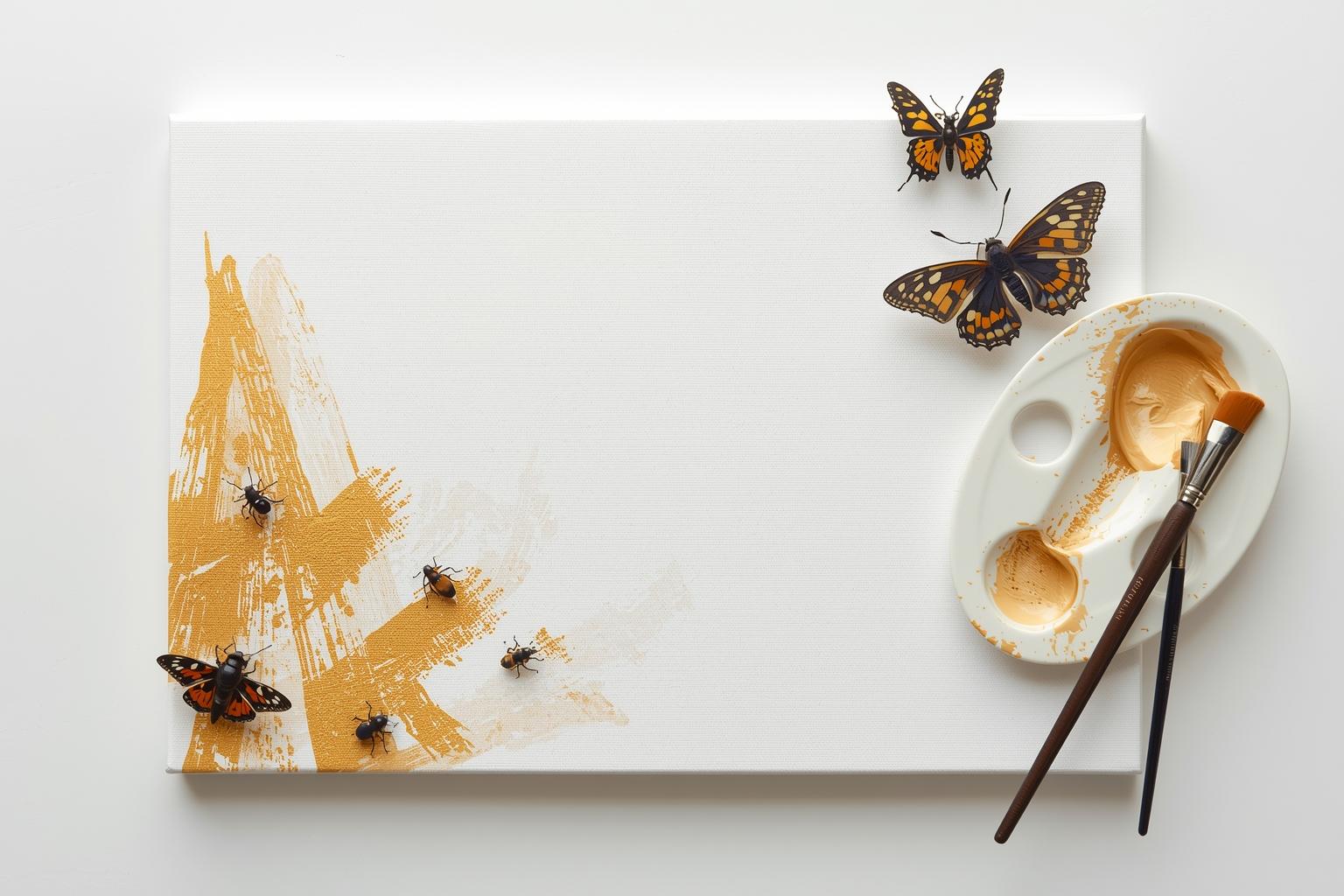
Insect art provokes debate because it often confronts taboos about death, decay, or the use of living creatures. Ethical concerns rise when artists employ real insects, especially rare or endangered species.
Damien Hirst’s butterfly mosaics and Jan Fabre’s beetle shell installations have drawn protests for using thousands of animal bodies. By contrast, works that use only imagery or symbolism rarely face such backlash.
When artists disregard consent or conservation laws, exhibitions risk removal or legal action. Public acceptance tends to depend on transparency, sourcing, and respect for animal life.