Manitoba Tick Surveillance
Wallis Roughley Museum Visitor Experience
Visitors immediately encounter active, curiosity-driven engagement with live insects, interactive science tools, and accessible interpretation. The museum blends hands-on observation, digital augmentation, and structured learning to support diverse audiences, from families to university researchers. Clear wayfinding, pre-visit planning resources, and a coherent visitor flow reduce anxiety and maximize learning moments.
Visitor engagement, orientation, and pathways
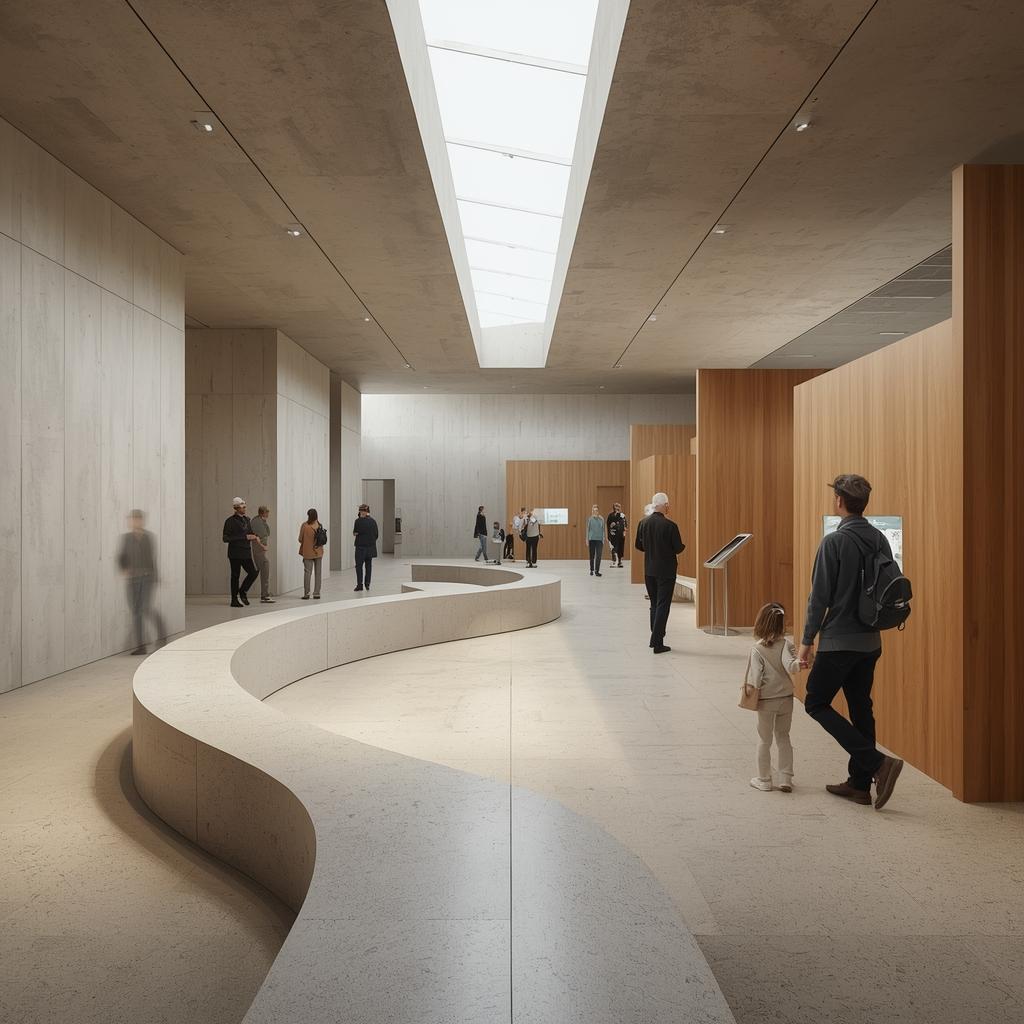
Pre-visit digital resources include an interactive map, species highlights, safety guidelines, and timed-entry reservations to manage capacity and specimen welfare. Orientation on arrival uses color-coded pathways and short animated kiosks that explain etiquette for live viewing, photography limits, and handling rules. Family pathways emphasize multisensory stops, short activity durations, and seating nodes for caregivers. Multigenerational pathways layer complexity: simple prompts for children and linked deeper content for teens and adults delivered via on-site tablets and QR-triggered pages.
Accessibility is embedded in wayfinding: high-contrast signage, tactile floor indicators, and seating at regular intervals. Quiet hours and sensory-friendly program times are scheduled weekly to accommodate neurodiverse visitors and those with sensory sensitivities. Staff training includes de-escalation, alternative communication methods, and on-the-spot modification of experiences.
Signature interactive exhibits
Signature exhibits center on live observation, immersive magnification, and augmented overlays that connect morphology to ecology and behaviour. Exhibit design balances visitor access and animal welfare through controlled viewing windows, timed interaction, and environmental monitoring.
Below are core exhibits with interaction modes, target audiences, major hardware, and welfare notes.
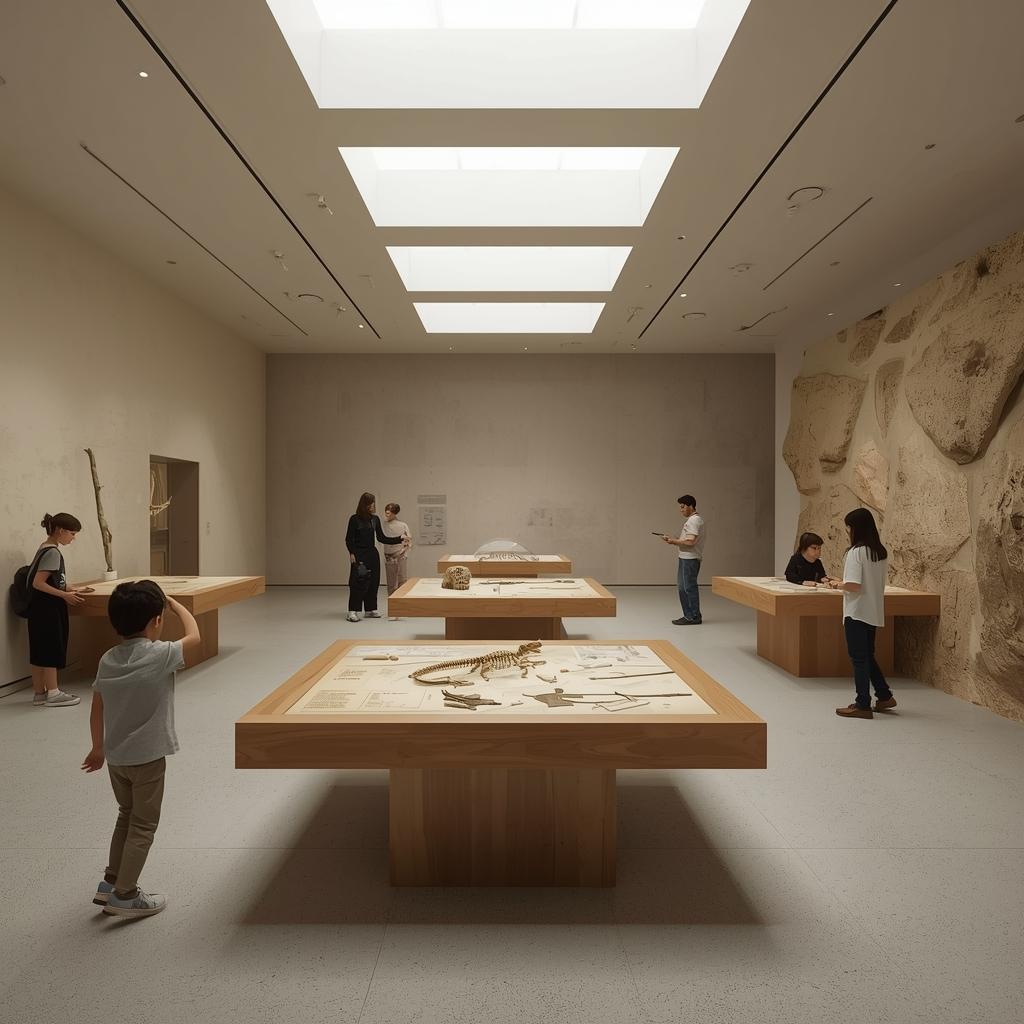
Workshops run on 45–90 minute formats covering specimen identification, ethical collecting, and insect behavior experiments. Specimen-handling stations use museum-grade forceps, labeled trays, and supervised protocols to prevent damage. Citizen science kiosks accept anonymized observations for regional biodiversity projects. Data collected aligns with regional databases and follows standard formats for taxonomy, GPS accuracy, and timestamping.
School programs map to STEM and life science curriculum outcomes. Each group receives pre-visit resources and post-visit classroom activities with measurable learning objectives. Assessment includes teacher rubrics and student artifacts such as annotated field sketches and identification keys.
- Volunteer and internship pathways support specimen digitization and community science projects.
- Special evening programs pair light traps and moth identification with expert-led talks.
Accessibility, multilingual support, and sensory options
Tactile models and 3D-printed casts of common species provide authentic haptic experiences for visually impaired visitors. Labels use plain language, large fonts, and Braille transcriptions. Digital interfaces offer multilingual options covering the five most common local languages and clear captioning for videos. Sensory-friendly offerings include dimmed lighting, quiet zones, and low-sound exhibit modes activated by request.
Visitor feedback mechanisms track accessibility performance through exit surveys and targeted audits against WCAG 2.1 AA and ADA best practices.
Technology, content management, and privacy
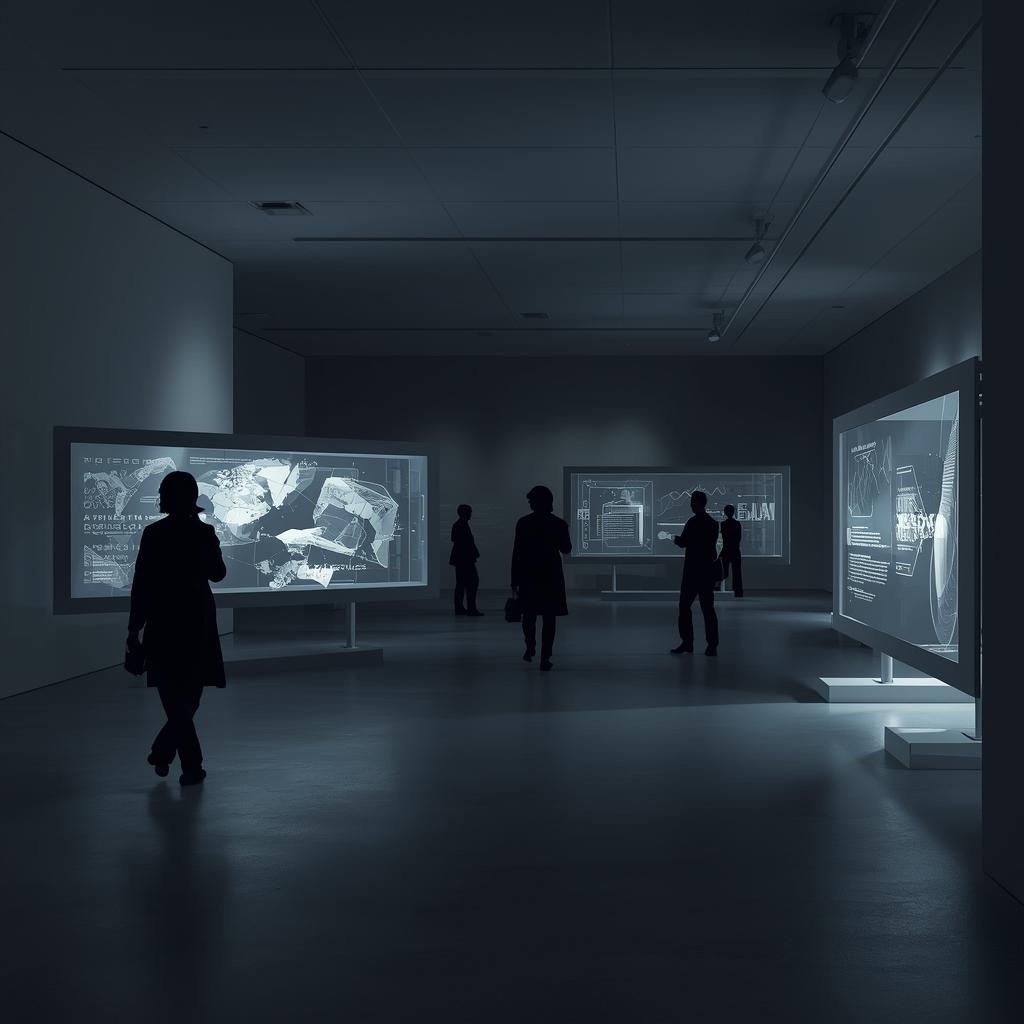
Hardware includes networked 4K cameras, edge compute nodes for real-time image processing, and tablet fleets for guided tours. Software is modular: a headless content management system serves exhibit text, media, and AR assets. Remote management enables content updates and telemetry monitoring. Update workflow uses staged releases with curator approval, automated backups, and rollback capability.
Privacy is governed by opt-in policies for photo sharing and data capture. Interaction logs are anonymized, retained for analytics for a maximum of 24 months, and processed according to applicable data-protection laws. Visitor accounts use hashed identifiers; raw video is stored only when explicit consent is given for research.
Development practices and interpretation strategies
Design collaborations pair entomologists, educators, accessibility specialists, and exhibit designers. Prototyping cycles include low-fidelity mockups, pilot runs with school groups, and iterative refinement based on observation and quantitative metrics such as dwell time and learning gains. Storytelling emphasizes ecological roles, conservation status, and human-insect connections through narrative arcs that begin with a question, present evidence, and invite visitor hypothesis testing.
Interpretive panels balance taxonomy with behaviour, including QR-linked deeper content and citations to peer-reviewed literature.
Conservation, ethics, and welfare
Live specimen care follows species-specific husbandry: controlled climate, diet schedules, veterinary consultation, and quarantine for new acquisitions. Ethical display practices avoid collection from vulnerable populations and prioritize captive-bred or sustainably sourced specimens. Collection accession follows legal permits and transparent provenance documentation. Animal welfare audits occur quarterly and are publicly available.
Impact measurement and outreach
Learning outcomes are assessed with pre/post knowledge probes, skills tasks such as ID exercises, and longitudinal follow-up for school cohorts. Exhibit performance metrics include dwell time, conversion to program sign-ups, and repeat visitation rates. Feedback is solicited through kiosks, emailed surveys, and moderated focus groups.
Partnerships with local schools, regional universities, and conservation NGOs enable research collaborations and recruitment for citizen science programs. Night programs, themed events, and rotating specialty shows keep content fresh and attract varied audiences.
Roadmap and research access

Planned upgrades include expanded AR content, remote livestreams for classroom access, and rotating exhibits highlighting regional pollinator health. Research opportunities include specimen digitization projects and metadata sharing for global biodiversity initiatives. Virtual access initiatives will provide live-streamed observation sessions and downloadable educator packs to extend impact beyond museum walls.